Anabolic Steroids – Effects, Types and Risks in Bodybuilding
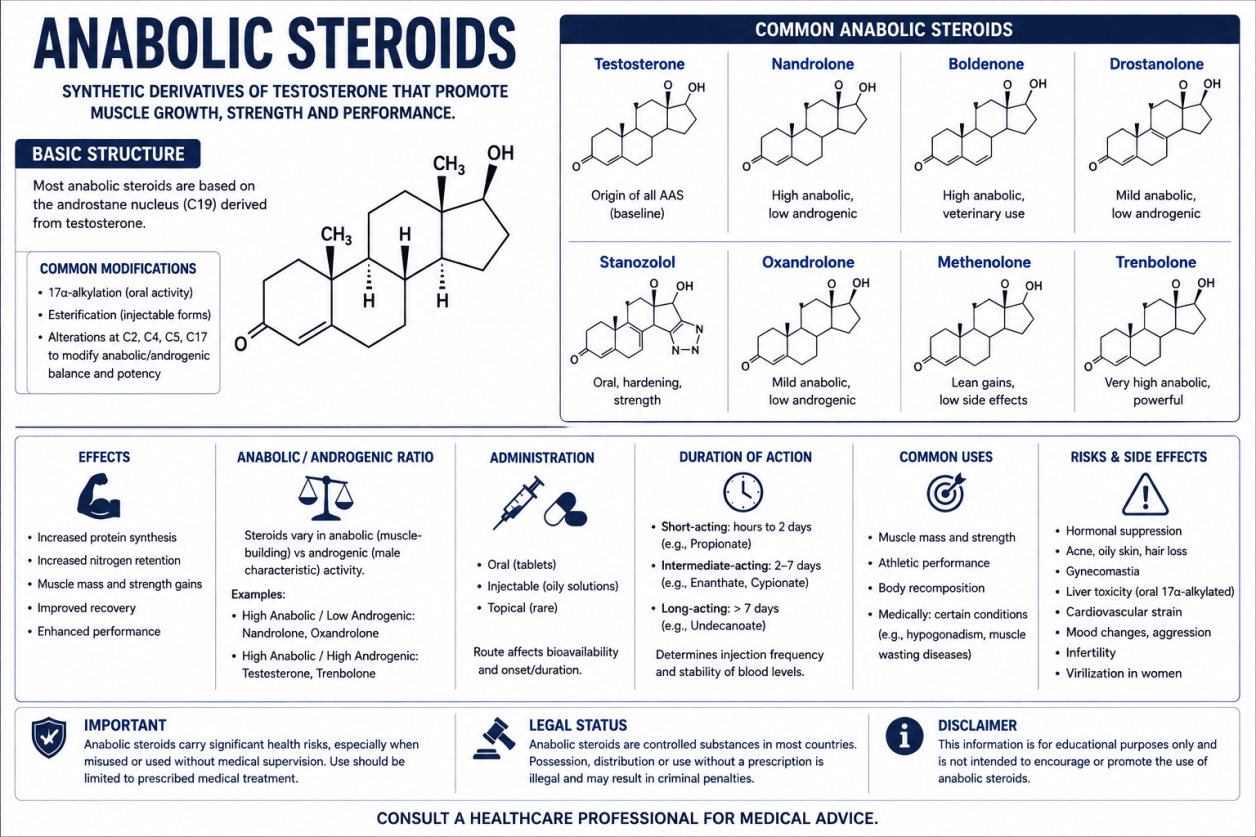
Anabolic steroids, or anabolic-androgenic steroids (AAS), are synthetically produced substances that are structurally or functionally related to male sex hormones such as testosterone. They are associated with increases in muscle mass, changes in body composition and improvements in certain physical performance parameters.
For this reason, anabolic steroids have been a controversial topic in bodybuilding and competitive sport for decades. However, they are not simply muscle-building substances. These compounds affect a complex hormonal system and can have significant health consequences.
### What Are Anabolic Steroids?
The term anabolic broadly describes processes in which the body builds up or synthesises biological structures. Androgenic refers to the effects associated with male sex hormones.
Anabolic-androgenic steroids were developed to make use of certain effects of naturally occurring testosterone in medical treatment. Individual compounds can differ considerably in terms of their chemical structure, duration of action and pharmacological properties.
Well-known compounds in the AAS group include testosterone, nandrolone, methandienone (Dianabol), stanozolol (Winstrol), trenbolone and metenolone (Primobolan).
It is important to distinguish anabolic steroids from corticosteroids. Corticosteroids are used, among other things, to treat inflammation and certain medical conditions and do not belong to the anabolic steroid group.
Why Are Anabolic Steroids Used in Bodybuilding?
The main reason for non-medical use is the desire for greater physical development. Anabolic steroids can enhance androgenic activity in the body and thereby influence processes associated with muscle growth and recovery.
However, this can create a misleading impression: greater muscle size does not automatically mean better health or improved long-term physical performance.
In bodybuilding in particular, it is therefore important to distinguish between training progress, muscle mass and overall health and physical resilience.
What Types of Anabolic Steroids Are There?
Anabolic steroids exist in different chemical forms and formulations. These include:
* Testosterone derivatives
* 19-nor steroids, such as nandrolone
* DHT-derived compounds
* Orally available anabolic steroids
* Injectable preparations
The names of active substances and brand names may differ. When researching a particular preparation, it is therefore important to distinguish between the **active ingredient, ester or chemical form, and brand name**.
Anabolic Activity Does Not Mean Risk-Free Use
A common misconception is to associate anabolic steroids exclusively with muscle growth. In reality, these substances can interfere with the body's hormonal regulation.
In men, endogenous testosterone production may be suppressed. Potential consequences include reduced sperm production, testicular shrinkage and impaired fertility.
In women, androgen-related changes may occur. These can include a deeper voice, increased body hair, hair loss and changes to the menstrual cycle. Some of these changes may be permanent.
The Cardiovascular System and Cholesterol
Potential effects on the cardiovascular system are particularly important.
Non-medical use of anabolic steroids has been associated with high blood pressure, adverse changes in blood lipid levels and increased cardiovascular strain. Serious events such as heart attack and stroke have also been described as potential risks.
This illustrates why visible changes in muscle development represent only one part of the overall effects these substances may have on the body.
Liver and Kidneys
Certain anabolic steroids can place particular strain on the liver. Impaired kidney function has also been described as a possible health complication.
The level of risk depends on factors including the specific compound, duration of use and individual circumstances. It is therefore not possible to make a blanket statement about the safety of any particular preparation.
Psychological Effects
Anabolic steroids may have not only physical but also psychological effects. Reported effects include mood swings, irritability, aggressive behaviour, anxiety and depressive symptoms.
Long-term misuse can also lead to dependence. Withdrawal may involve symptoms such as pronounced fatigue, sleep problems, depressed mood, difficulties concentrating and reduced libido.
Are Methods Such as Cycling or Stacking Safe?
Various patterns of use are discussed within the bodybuilding community. These include so-called cycles and the combination of several compounds, known as stacking.
Such terms can create the impression that side effects can be reliably controlled through these approaches. However, there is no sound evidence that they prevent the health risks associated with anabolic steroid misuse. The NHS specifically notes that methods such as cycling, stacking and pyramiding have not been shown to reduce the associated harms.
Descriptions of these practices should therefore not be interpreted as recommendations for safer use.
Anabolic Steroids and Competitive Sport
Anabolic-androgenic steroids are also important from an anti-doping perspective in organised competitive sport. The World Anti-Doping Agency (WADA) lists anabolic-androgenic steroids under S1: Anabolic Agents on its Prohibited List.
For athletes, this means that the use of relevant substances can have significant consequences for participation in competitions, depending on the substance and the applicable sporting regulations.
Why the Source of a Preparation Can Present an Additional Risk
Another concern arises when preparations are obtained outside controlled medical or pharmaceutical supply chains.
Unregulated products may carry risks including **contamination, incorrect active ingredient concentrations or undisclosed ingredients**. With injectable substances, additional risks can arise from poor hygiene and the sharing of injection equipment. These practices can increase the risk of infections and the transmission of conditions such as hepatitis and HIV.
Building Muscle Without Anabolic Steroids
Sustainable muscle growth does not depend on a single active substance. Instead, several factors work together over time:
* progressive resistance training
* adequate energy and protein intake
* recovery and sufficient sleep
* structured training
* long-term consistency
* an appropriate individual diet
Beginners in particular often underestimate how much progress can already be achieved through structured training, a balanced diet and sufficient recovery.
Conclusion: Anabolic Steroids Are More Than a Question of Muscle Mass
Anabolic steroids are pharmacologically active substances that can affect the body's hormonal balance. Their association with muscle growth and physical performance explains their significance in bodybuilding, but this should not distract from their potential health risks.
Reported risks include hormonal changes, impaired fertility, cardiovascular problems, changes in liver and kidney function, and psychological effects.
Anyone researching anabolic steroids should therefore distinguish between scientifically supported information, personal experiences from the bodybuilding community and unsupported claims or promises. Anyone with health concerns or symptoms should seek advice from a qualified healthcare professional.
Safety Information
This article is provided for general information only and does not replace medical advice. Anabolic-androgenic steroids are pharmacologically active substances and may carry significant health risks. Specific dosages, administration schedules or usage cycles should not be undertaken without qualified medical advice.